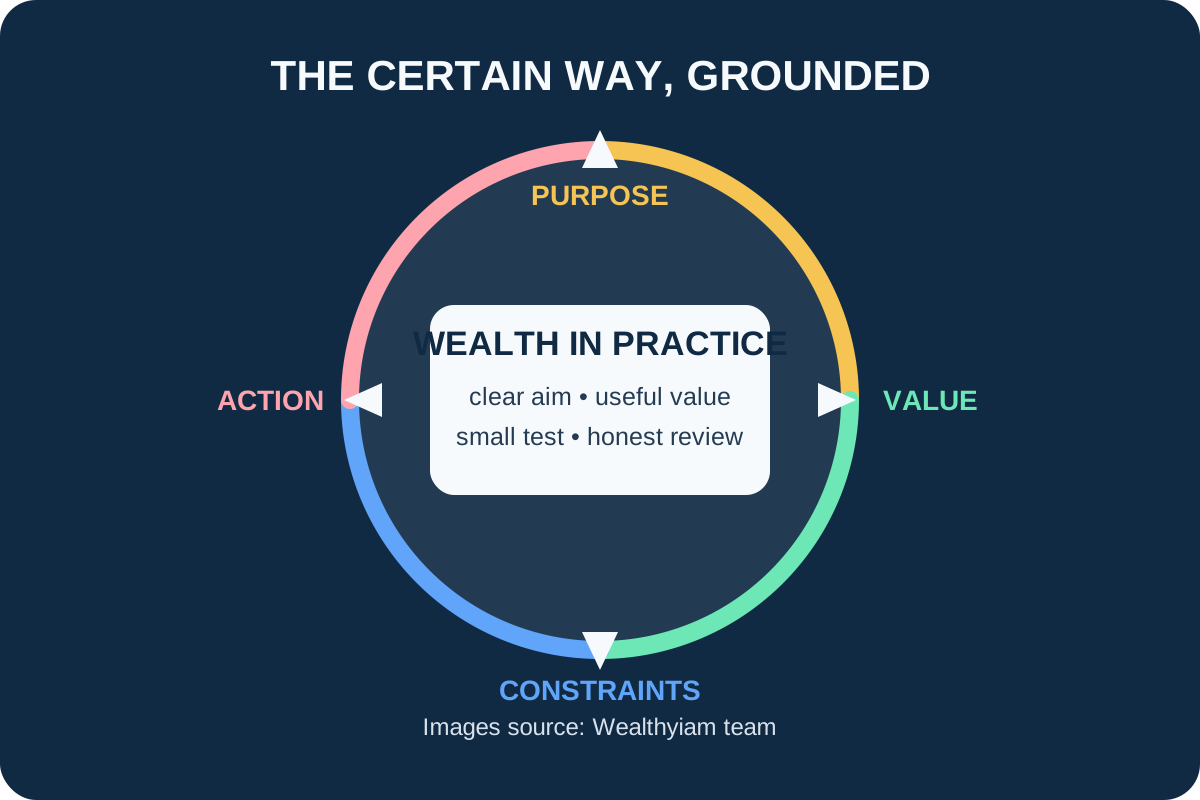
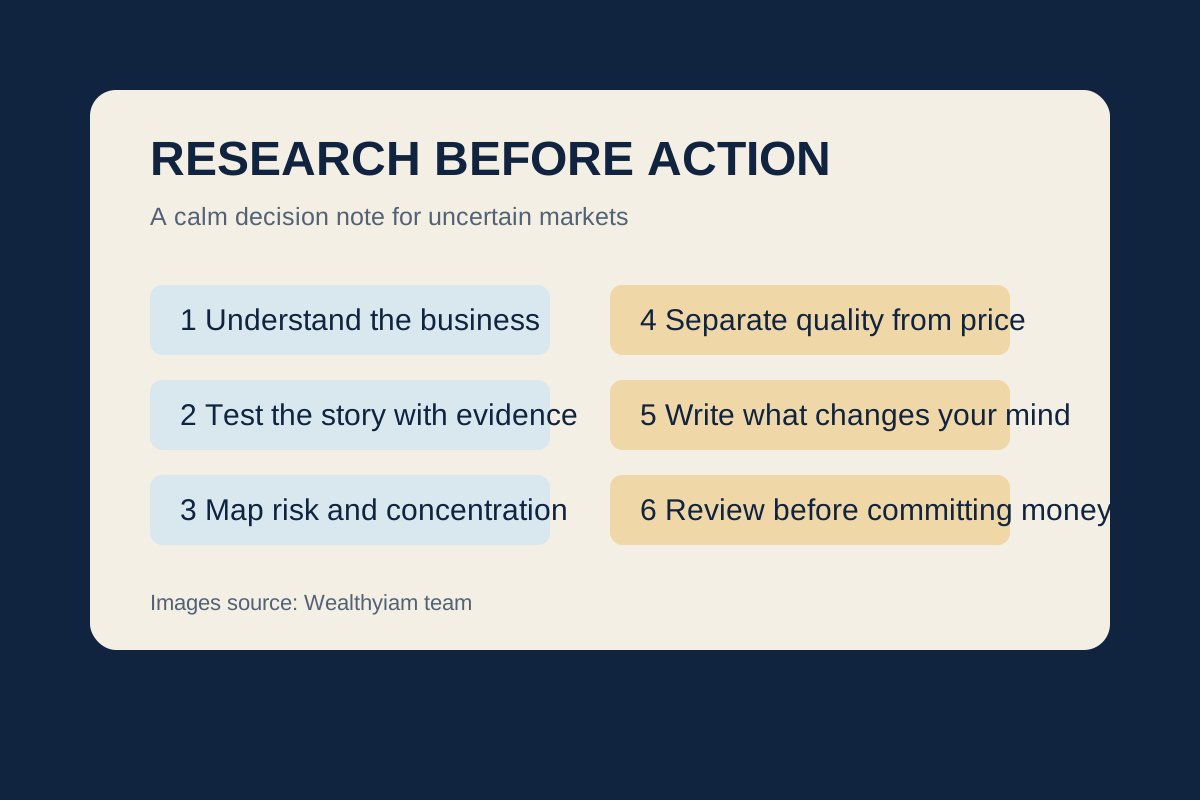
The Almanack of Naval Ravikant is a book about two big things: wealth and happiness. It collects ideas from Naval Ravikant’s interviews, essays, and talks, with editing by Eric Jorgenson and a foreword by Tim Ferriss. The book became popular because it says money is a skill you can learn, not just something you get by luck. [1][2][3]
Naval’s message is simple in spirit: learn useful skills, make your work more valuable, use leverage wisely, and think about life in the long term.
Book facts
| Title | The Almanack of Naval Ravikant: A Guide to Wealth and Happiness |
|---|---|
| Author | Eric Jorgenson |
| Contributor | Naval Ravikant |
| Foreword | Tim Ferriss |
| First published | 2020 |
| Publisher | Magrathea Publishing |
| Main topics | Wealth building, decision-making, leverage, specific knowledge, happiness, and long-term thinking. [1][2][4] |
What the book is about
This is not a step-by-step money plan like a budget book. It is more like a notebook of ideas. Naval talks about how people can build wealth by becoming hard to replace, owning part of what they create, and making smart choices again and again.
The happiness side of the book says that peace of mind matters too. Money can help, but money alone does not fix a restless mind. The book tries to connect outer success with inner calm.
Main ideas, explained simply
1. Specific knowledge
This means the rare skill that feels natural to you but is hard for others to copy. It is the kind of skill that makes you useful in a unique way.
2. Leverage
Leverage means getting a bigger result from the same effort. Code, media, capital, and people can all help your work reach more people.
3. Accountability
Accountability means taking responsibility in public. When people trust your judgment, they are more willing to give you money, chances, or support.
4. Long-term games
This means making choices that still look smart years later. The book favors patience over quick wins.
5. Judgment
Judgment is the ability to make good calls when the answer is not obvious. It grows from experience, reading, and paying attention.
6. Happiness
The book argues that happiness is a skill too. That means habits, not just feelings, can shape it over time.
Simple terms you may hear in the book
- Asset = something that can help produce money or value later.
- Equity = ownership in a company or project.
- Compounding = when small gains build on top of earlier gains, like a snowball rolling downhill.
- Mindset = the way you think and react to problems.
- Leverage = a way to make one good idea reach many people or create more value.
What the book gets right
The book is strong because it treats wealth as a skill set. That is a helpful idea. It reminds readers that useful skills, ownership, and good judgment matter more than pretending to be rich.
It also pushes readers to think more clearly. Instead of chasing every trend, Naval’s ideas encourage calm thinking, patience, and honest self-improvement.
What to be careful about
The book is full of ideas, but it is not a clean how-to manual. Some readers may want a simpler plan with clear steps. Naval often speaks in short, sharp lines, so you may need to slow down and think about what each line means for your own life.
Also, some advice makes sense for entrepreneurs and investors, but not every idea fits every job or every person. The best way to read it is to take the big lesson seriously and test the details with your own situation.
Very simple version: the book gives you strong ideas, but you still have to choose the right ones for your life.
Bottom line
The Almanack of Naval Ravikant is a smart, thoughtful book about building a good life, not just a bigger bank account. If you want to learn about wealth, ownership, leverage, and better thinking, it is a strong read. If you want a plain step-by-step money plan, you may want to pair it with a more practical finance book.