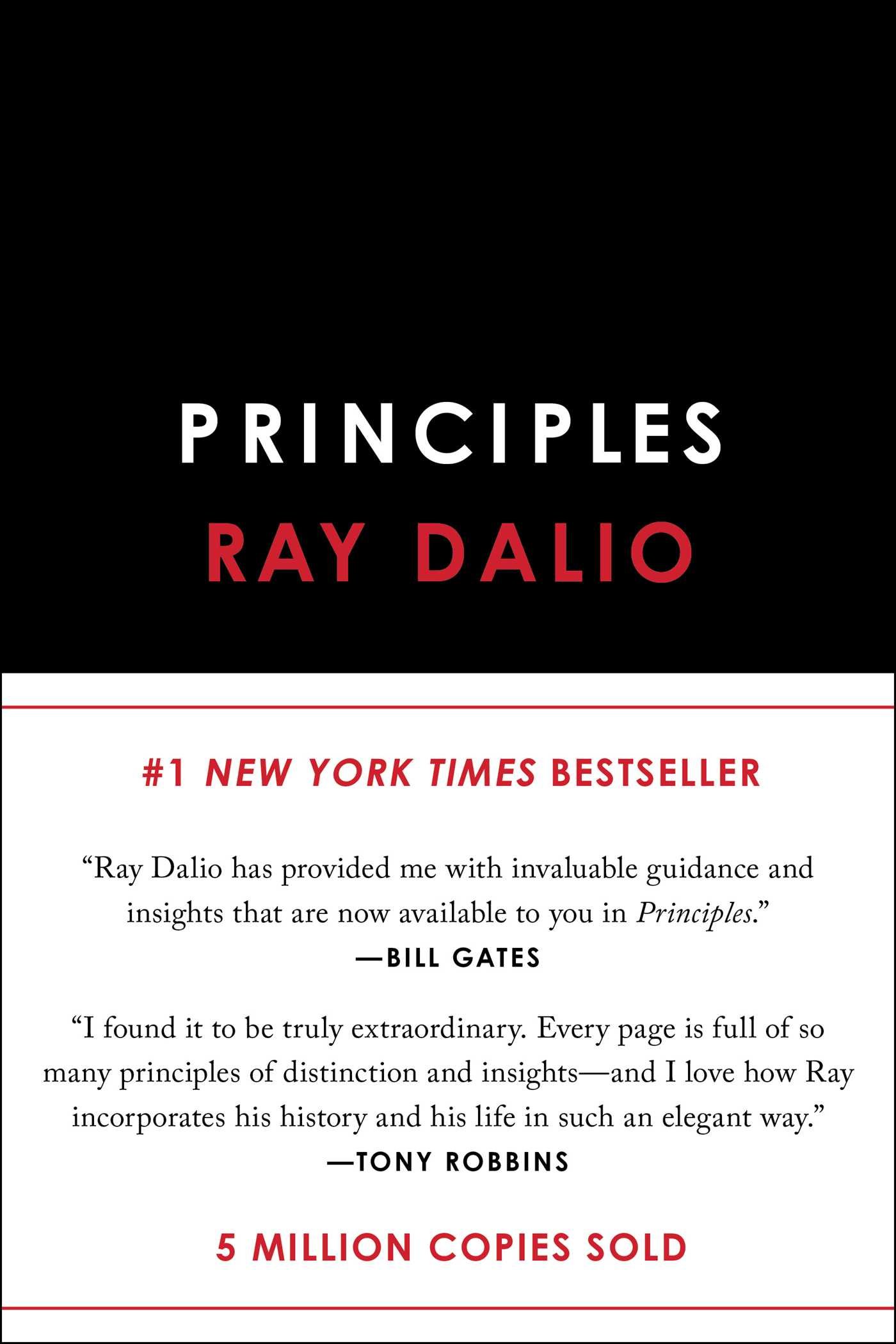
Principles: Life and Work is Ray Dalio’s book about how to think, decide, and act with more honesty. Dalio is the founder of Bridgewater Associates, one of the world’s best-known hedge funds. In this book, he shares the rules he says helped him build a successful company and make better choices in life and work.
The book is not a quick money tip book. It is more like a handbook for judgment. Dalio argues that people and teams do better when they face reality, learn from mistakes, and write down the rules they want to follow.
The book’s simple message: truth helps you see clearly, and clear thinking helps you do better work.
Book facts
| Author | Ray Dalio |
|---|---|
| First published | 2017 |
| Publisher | Simon and Schuster |
| Length | 592 pages in the standard hardcover edition. |
| Main topics | Decision-making, leadership, radical honesty, teamwork, and personal growth. |
| Why it matters | It turns life lessons into repeatable rules instead of leaving them as vague advice. |
What the book is about
Dalio splits the book into three parts: his life story, life principles, and work principles. That structure matters. He is not just saying, “be positive” or “work hard.” He is showing the reader the exact ideas he used to solve problems, deal with people, and make decisions under pressure.
One of the book’s biggest ideas is that people should not pretend everything is fine when it is not. Dalio says the truth is useful even when it hurts. If a company or a person hides problems, those problems usually get bigger.
Main ideas explained simply
Face reality
Do not build your plans on wishful thinking. Look at what is actually happening, even if it is uncomfortable.
Tell the truth fast
Radical transparency means being open about important facts so people can solve problems sooner.
Let the best idea win
An idea meritocracy is a system where the best idea matters more than the loudest voice or the highest title.
Write down your rules
Dalio wants people to turn experience into principles they can use again and again.
Simple explanations of key terms
Principle
A principle is a rule you use to make choices. For example, “always read the facts before deciding” is a principle.
Radical transparency
This means sharing important information openly instead of hiding it. The goal is not to embarrass people. The goal is to see the truth sooner.
Idea meritocracy
This is a system where the best idea wins, even if it comes from a junior person. Merit means earned by quality, not given because of rank.
Believability-weighted decision-making
That is a long phrase for a simple idea: give more weight to the opinion of someone who has proven skill in that area. A person who has done the job well before should count more than a random guess.
Reflection
Reflection means stopping to think about what happened and why. It is like looking in a mirror for your choices.
Step by step
- Pick one repeated problem in your work or money life.
- Write down what happened, what you felt, and what the result was.
- Look for the real cause instead of blaming luck or other people right away.
- Turn the lesson into a short rule you can remember.
- Ask for honest feedback from people who know the subject better than you do.
- Give extra weight to the advice of people who have proved they are good at that task.
- Test your rule, adjust it when needed, and keep the better version.
What it gets right
The book gets a lot right about human behavior. People often make bad choices because they are rushed, emotional, or too proud to admit a mistake. Dalio’s system pushes against that. It says that clear rules and honest feedback can help people avoid repeating the same error.
It also gets right that good teams need more than talent. They need trust, clear communication, and a way to solve disagreements without hiding the truth.
What to be careful about
The book can feel dense. Dalio repeats ideas in different ways, and some readers may want a shorter version. Also, radical transparency sounds great in theory, but it can be used badly if people are blunt without being kind.
Another thing to remember: some of the work ideas fit large organizations better than small teams or families. The book is useful, but you still have to adapt it to your own life.
Bottom line
Principles: Life and Work is a strong book for readers who want a framework, not just inspiration. It teaches that honest thinking, steady feedback, and written rules can help people make better choices over time.
If you like books that turn messy life lessons into practical systems, this is a valuable one. If you want a light read, it may feel heavy. But if you want to think more clearly, it has a lot to offer.