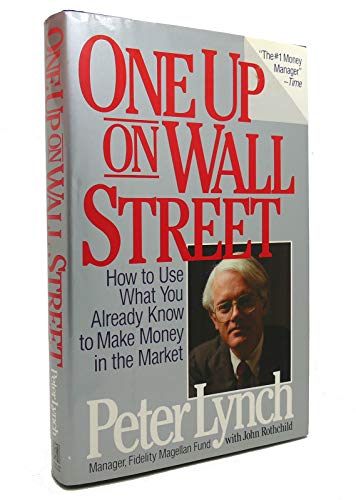
One Up on Wall Street is Peter Lynch’s famous book about stock picking. Its big idea is simple: regular people can notice useful business clues in everyday life before Wall Street does. If you see a product, store, or service that people love, that can be the start of a good investing idea. But Lynch also says you still need real homework before you buy anything.
This is not a book about guessing the market’s next move. It is a book about watching businesses, thinking clearly, and staying patient. That is why it still matters many years after it was first published.
What the book is about
Peter Lynch was a legendary fund manager at Fidelity. In this book, he explains how individual investors can look around their own lives for promising companies. You do not need to be a Wall Street insider to notice a great store, a fast-growing brand, or a business that seems stronger than the crowd expects.
The book also teaches that stocks are not little pieces of paper. A stock is a share of a real company. That means you should care about the company’s earnings, debt, growth, and place in the market.
Main ideas in simple words
- Invest in what you know. If you understand a product or business, it is easier to study it well.
- Look for tenbaggers. Lynch’s word for a stock that rises ten times in value. One big winner can change a portfolio.
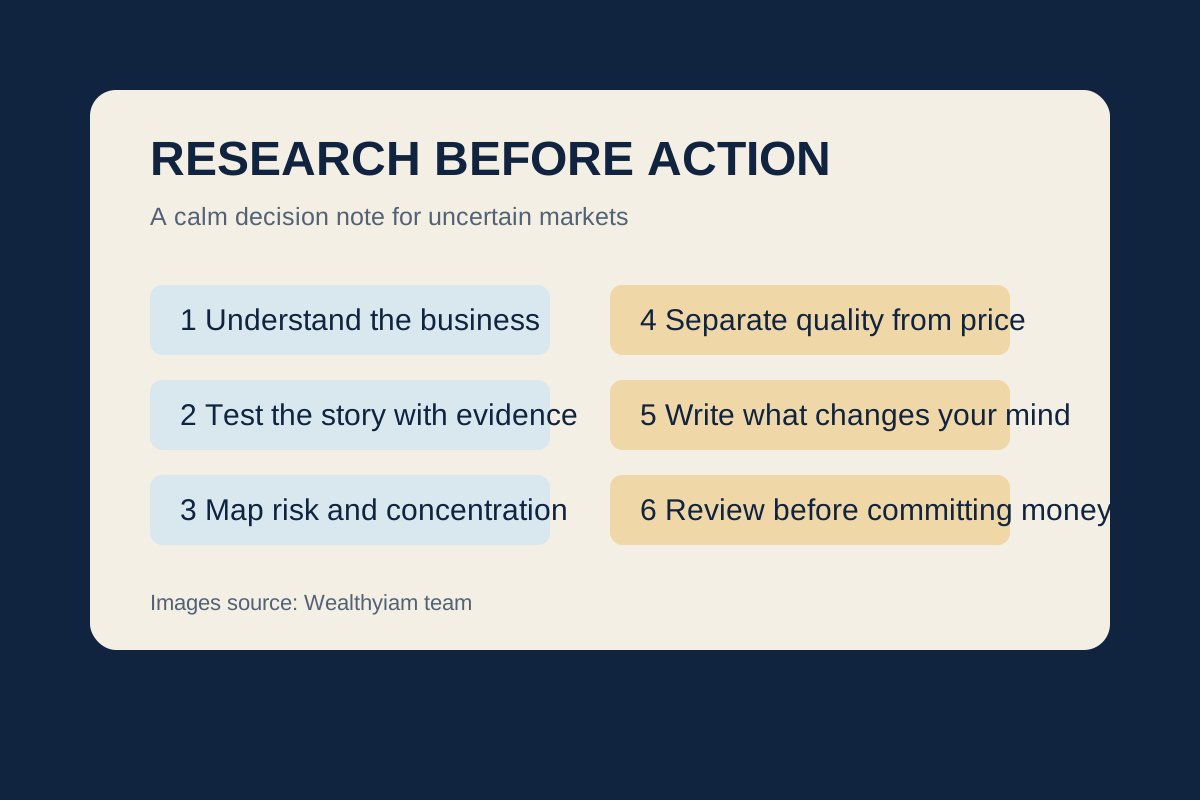
- Do the homework. Liking a store is not enough. You still need to check the numbers.
- Ignore the noise. Daily market chatter can distract you from the real story.
- Hold for the long term. Good businesses often need time to show their full value.
Simple explanations of key terms
Tenbagger
A tenbagger is a stock that grows to ten times the price you paid. If you bought a share for $10 and it became $100, that would be a tenbagger.
Fundamentals
Fundamentals are the basic facts about a company: how much money it makes, how much debt it has, and whether its business is getting stronger or weaker.
Cyclical stock
A cyclical stock belongs to a business that rises and falls with the economy, like cars or homebuilding. These companies can look strong one year and weak the next.
Turnaround
A turnaround is a company that is struggling now but may get better later. That can be rewarding, but it can also be risky.
Asset play
An asset play is a company whose useful things, like land or equipment, may be worth more than the market price suggests.
Steps to apply the book
- Keep an eye on the products and services you already use.
- If something seems strong, write it down as a possible idea instead of buying right away.
- Check the company’s earnings, debt, and growth. Ask: is the business healthy?
- Decide what kind of company it is: a fast grower, a cyclical, a turnaround, or something else.
- Buy only when the price still leaves room for things to go wrong.
- Hold with patience if the company remains strong and your original reason still makes sense.
What the book gets right
The book is great at reminding readers that investing is not magic. Good ideas often start with simple observation, not complicated predictions. It also helps people understand that everyday people can sometimes notice trends faster than large institutions do.
Lynch is also right about discipline. A person who buys and sells from emotion usually does worse than a person who studies, waits, and thinks.
What to be careful about
The book can make stock picking sound easier than it is. A company can be popular and still be a bad investment. A good product does not always mean a good stock. Price still matters, and business quality matters too.
Also, some examples in the book are old now. The market has changed a lot since 1989. That does not erase the lesson, but it does mean readers should use the ideas as a guide, not as a shortcut.
Kid-simple takeaway: a tasty-looking apple can still have a worm inside, so look before you bite.
Bottom line
One Up on Wall Street teaches that ordinary investors can find real opportunities if they pay attention, do their homework, and stay patient. It is one of the best books for learning how to think about stocks like a curious business owner instead of a gambler.
If you want a practical, easy-to-understand book about spotting promising companies, this is a strong one to read.
Sources
Related reading: For a fuller beginner roadmap, see Investing Basics.