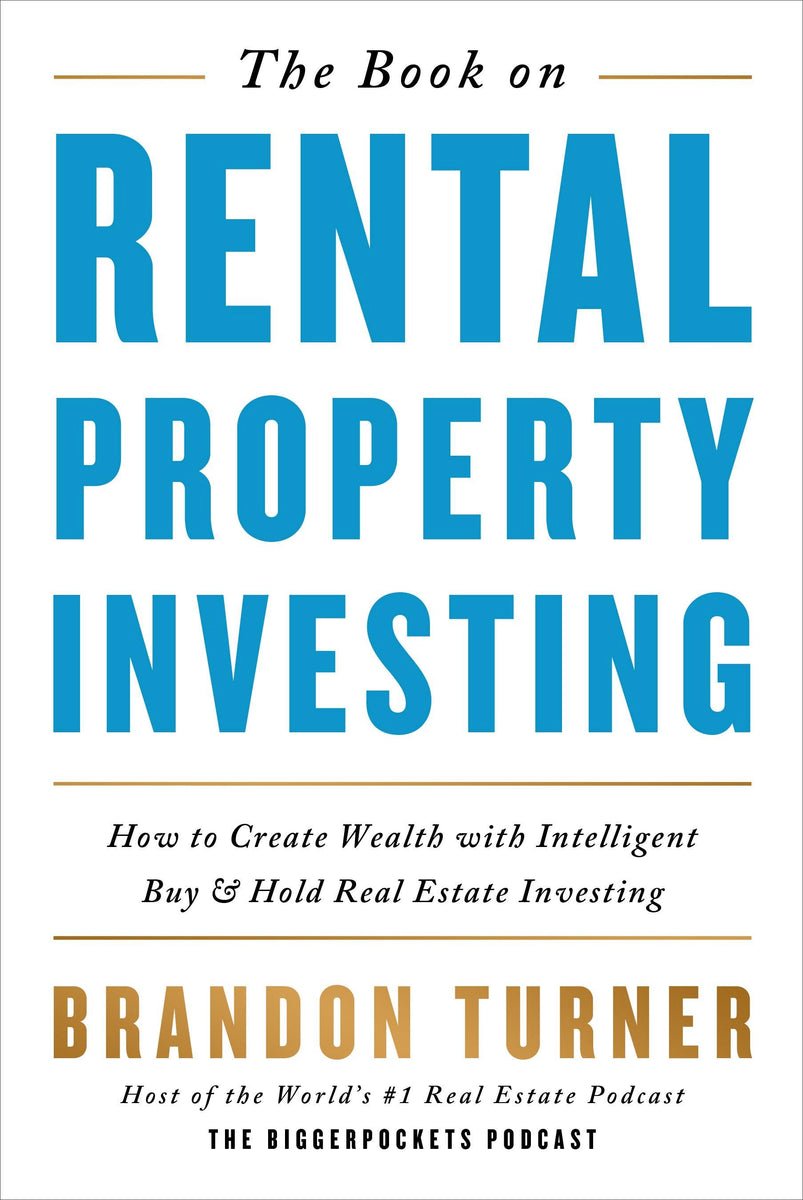
The Book on Rental Property Investing is a practical guide to making money from rental houses and apartments. Brandon Turner keeps the message simple: a rental property is not just a building, it is a small business. If the numbers are good and the risks are managed, a rental can pay you month after month while the loan gets smaller over time. [1][2]
In plain words: buy carefully, know your numbers, treat the property like a business, and do not guess.
Book facts
| Author | Brandon Turner |
|---|---|
| First published | 2015 |
| Publisher | BiggerPockets |
| Main topic | Buy-and-hold rental real estate |
| What it tries to teach | How to find deals, finance rentals, check the numbers, and manage tenants without making expensive beginner mistakes. [1][2][3] |
What the book is about
The book walks through the whole rental-property path: finding a deal, buying it, fixing it up, renting it out, and keeping it running. Turner wants readers to think like owners, not like dreamers. He shows that a good rental is usually built on boring but important work: checking the math, screening tenants, planning repairs, and leaving room for surprises.
The book is especially useful for people who want long-term wealth instead of quick flips. A flip is when someone buys a house, fixes it fast, and sells it. A rental is different: you keep it and try to earn steady income for years.
Main ideas explained simply
1. Cash flow matters
Cash flow is the money left after rent comes in and all the bills go out. If rent is $2,000 and expenses are $1,700, the cash flow is $300. The book says that number matters because a property that cannot pay its own bills can become a headache.
2. Leverage can help, but it can also hurt
Leverage means using borrowed money, like a mortgage, to control a bigger asset. It can help you grow faster, but it also means debt. If rent drops or repairs grow, the loan still has to be paid.
3. Due diligence is careful checking
Due diligence means checking everything before you buy. That includes the roof, plumbing, tenants, paperwork, local rents, and repair costs. The book pushes readers to slow down and verify instead of trusting a shiny listing.
4. Good rentals make money in more than one way
Turner points to several ways rentals can build wealth: monthly rent, rising property value, loan paydown, and tax benefits. Loan paydown means the tenant’s rent helps shrink your mortgage balance over time.
What it gets right
- It treats real estate like a business, not a fantasy.
- It reminds readers that small mistakes can be expensive.
- It gives beginner-friendly steps instead of vague motivation.
- It explains that successful landlords need systems for finding deals, screening tenants, and handling repairs.
- It shows why patience matters: wealth from rentals usually builds slowly, not overnight. [1][3]
What to be careful about
Real estate is local. A deal that works in one city may fail in another. Taxes, rent rules, insurance, vacancy rates, and repair costs all change from place to place. That means the book should be used as a guide, not as a promise.
Also, a rental can look great on paper and still be a bad buy if the numbers are too tight. A few empty months, a broken furnace, or a tenant who does not pay can change the whole picture. This is why the book keeps returning to careful analysis.
Important note: borrowing money can boost returns, but it can also boost losses. If you use debt, you need a safety cushion.
Simple takeaway
This book is best for readers who want practical real estate advice, not hype. If you want to understand how landlords think, how rental numbers work, and why a property can be a wealth tool only when it is bought wisely, this is a strong place to start.
Bottom line: The book teaches that rental property wealth comes from discipline, math, and patience — not from guessing or luck. [1][2][3]
Sources
- [1] BiggerPockets Bookstore
- [2] Google Books
- [3] Goodreads
- [4] Amazon