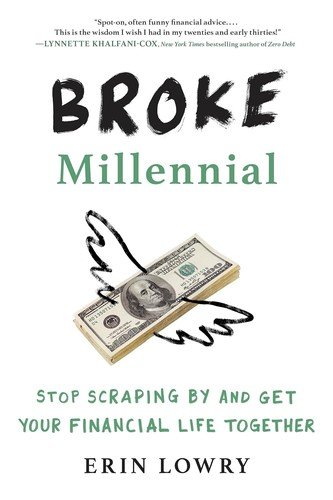
Broke Millennial by Erin Lowry is a friendly personal finance book for people who want help with everyday money questions. It is written in plain language and focuses on the problems many young adults face: budgeting, student loans, credit cards, saving, investing, and talking about money without feeling awkward. [1][2][3]
What the book is about
The book is meant to help readers get their financial life together one step at a time. Lowry does not pretend money is easy for everyone. She starts with the basics and keeps the tone casual, like a smart friend who is explaining things without shame or lectures.
The big idea is simple: you do not need to be rich to start getting better with money. You need a plan, a few good habits, and the courage to ask simple questions.
Main ideas
- Know where your money goes. If you do not track spending, money can disappear without you noticing.
- Make a budget that fits your life. A budget is just a plan for your money. It helps you decide what matters most.
- Use credit wisely. Credit is borrowed money. If you do not pay it back on time, it can become very expensive.
- Pay down bad debt first. High-interest debt, like credit card debt, can grow fast and eat your money.
- Start investing even if you feel behind. Waiting too long can cost you time, and time matters a lot in investing.
- Talk honestly about money. Money stress grows when people hide from hard conversations with partners, friends, or family.
Simple explanations of key terms
Budget
A budget is a spending plan. Think of it like giving every dollar a job before it disappears.
Emergency fund
This is money saved for surprises, like a car repair or medical bill. It helps you avoid panic borrowing when life gets messy.
Credit score
A credit score is a number that shows how safely you borrow and repay money. Lenders use it to guess whether you are likely to pay them back.
High-interest debt
This is debt that gets bigger fast because the interest rate is high. Interest is the extra money you pay for borrowing.
Investing
Investing means putting money into something that can grow over time, like a stock fund or retirement account. It is not the same as saving, because investing can go up and down.
What it gets right
The book is strong because it treats beginners with respect. It does not act like people should already know everything. It also covers the emotional side of money. That matters, because many money problems are not just math problems. They are fear, shame, habit, and confusion problems.
Another strength is that it covers real life. Readers do not live in a perfect spreadsheet. They deal with roommates, dates, weddings, student loans, family pressure, and job changes. The book understands that.
What to be careful about
Some advice in the book is broad, so readers still need to fit it to their own situation. A person with a low income, unstable work, or serious debt may need more than a basic starter plan. Also, some financial products and rules change over time, so a book can give a strong foundation but not a forever answer.
In plain words: this book is a good map, but you still need to watch the road.
Bottom line
Broke Millennial is a useful first money book for anyone who feels lost or embarrassed about personal finance. It explains the basics clearly and helps readers build confidence. If you want a simple, modern guide to money without the boring lecture tone, this is a strong place to start.