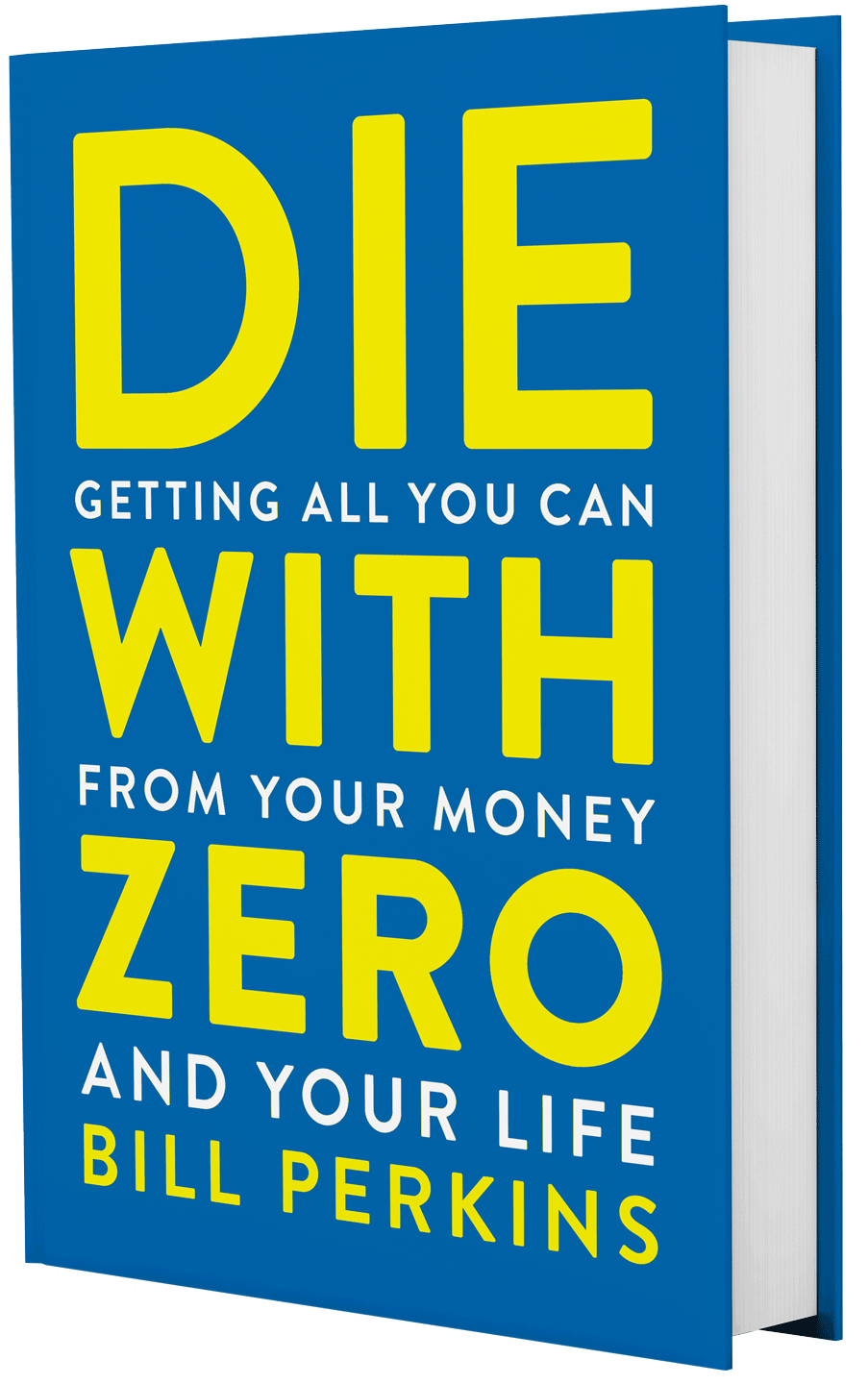
Die with Zero is a book about using money while you can still enjoy the life it buys. Bill Perkins argues that many people save too long, wait too long, and end up with more money than meaningful time to spend it. His message is simple: money is useful, but only if it helps you live a fuller life. [1][2]
In plain words: do not let saving for later steal the good parts of now.
Book facts
| Author | Bill Perkins |
|---|---|
| First published | 2020 |
| Publisher | Mariner Books |
| Key topic | How to spend, give, and invest money with time in mind. |
| Big idea | Use money to create experiences, memories, and freedom while your health and energy can still enjoy them. [1][2][3] |
What the book is about
Perkins says people often treat retirement like the prize at the end of life. The problem is that the body does not stay the same forever. Some trips, games, and family moments are best enjoyed when you are younger, healthier, and more flexible. If you wait too long, the money may still be there, but the chance to use it well may be gone.
The book does not say “spend everything.” It says to match your money to your life stage. Save with purpose, but also spend on the things that truly matter.
Main ideas, explained simply
Time-bucketing
This means planning experiences for the age when they fit best. A hard adventure, a long road trip, or time with small children may not make sense decades later.
Memory dividends
A dividend is a money payment from a company. Here, the phrase means a good memory keeps paying you back in happiness every time you think about it.
Net fulfillment
Fulfillment means feeling that life is worth living. Perkins wants people to judge success by lived experience, not only by the size of a bank account.
Personal interest rate
This is a simple way to ask: if I wait, what will I lose? Sometimes waiting gives more money. Sometimes waiting costs you the chance to enjoy the moment.
What it gets right
- It reminds people that money is a tool, not the goal.
- It pushes readers to think about time, health, and age, not just returns.
- It helps explain why some people feel “rich” with less money when life is full of good moments.
- It is especially useful for people who save hard but never feel allowed to enjoy life.
What to be careful about
The book can sound too bold if you read it as a rule for everyone. It is not a good excuse to ignore debt, skip an emergency fund, or spend carelessly. If your income is unstable or you have people who depend on you, the basics still come first.
Some readers may also disagree with how strongly the book pushes spending earlier. That is fair. The best way to read it is as a reminder to be intentional, not as a command to empty your accounts.
Bottom line
Die with Zero is a strong nudge to stop treating money like a trophy you hand over at the end of life. Its best lesson is that good spending can create real value when it is tied to health, time, and the people you care about. Used wisely, it can help you build a life with both security and joy.