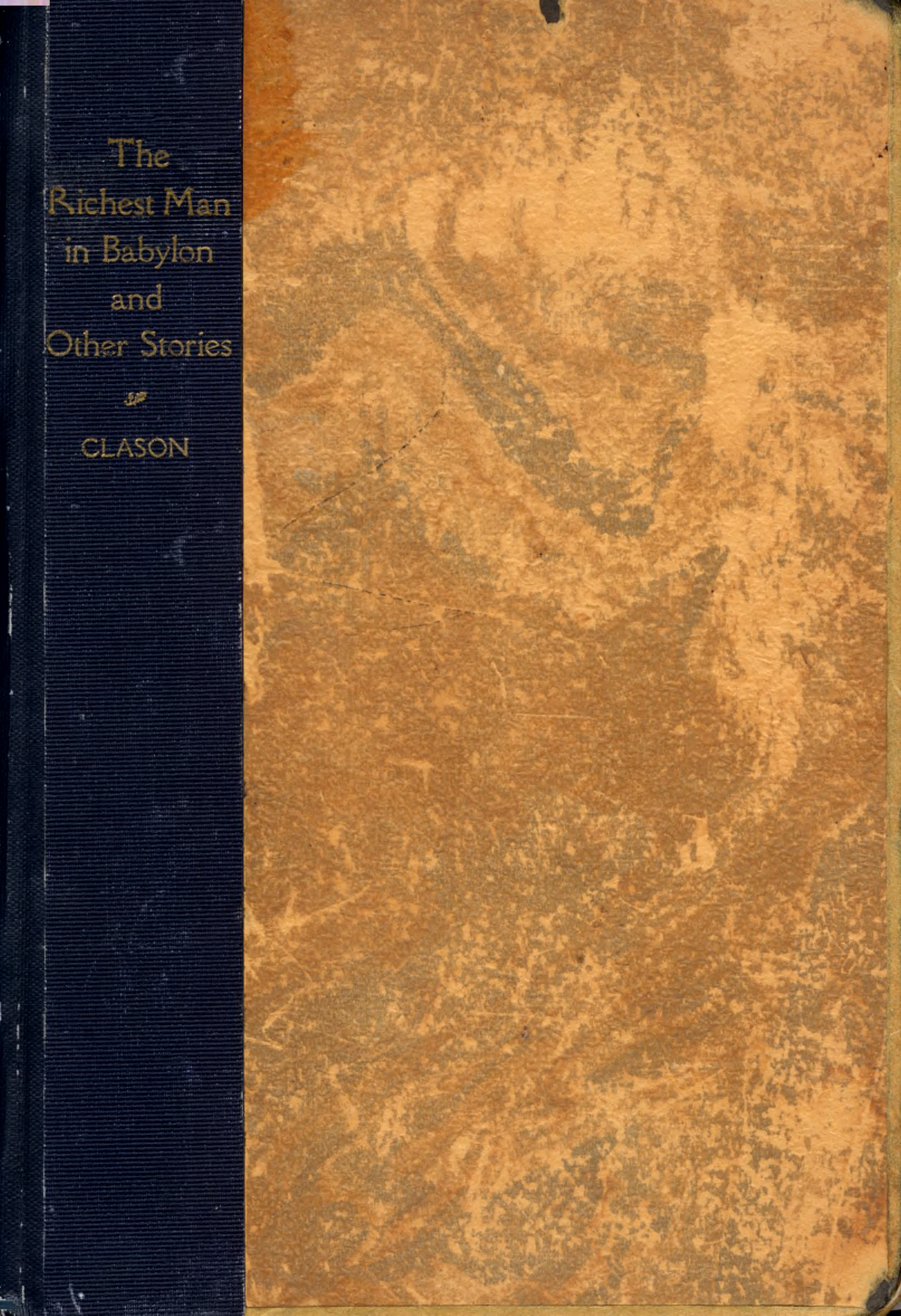
The Richest Man in Babylon is a short, famous money book that uses simple stories set in ancient Babylon to teach basic money habits. It is not a hard finance textbook. It feels more like a collection of wise sayings and parables. That is part of why so many people still read it.
The book’s main message is simple: keep part of what you earn, avoid waste, learn before you invest, and let money work for you over time. The advice is old, but the habits behind it are still useful for many people today.
What the book is about
George S. Clason wrote these lessons as stories, not as a lecture. That makes them easy to remember. The most famous part is the idea of paying yourself first. In plain words, that means saving a piece of your income before you spend the rest.
The book follows people who want wealth, lose wealth, or learn how to build it. Through their choices, the reader sees how small habits can grow into a better financial life. The point is not to get rich fast. The point is to build steady wealth step by step.
Main ideas
- Save a slice of every paycheck. Even a small amount matters if you do it all the time.
- Make your money grow. Saving alone is good, but money should also be put to work in safe, thoughtful ways.
- Protect your money. Do not rush into deals you do not understand.
- Control spending. Many people stay poor because they spend every dollar as soon as they get it.
- Seek wise advice. Learn from people who know what they are doing, not from loud people who only sound confident.
Simple explanations of key terms
Parable means a short story with a lesson. The book uses stories because stories are easier to remember than rules.
Thrift means careful use of money. It does not mean being cheap in a silly way. It means not wasting money on things that do not matter.
Principal is the original amount of money you start with. If you save $100, that $100 is the principal.
Interest is extra money earned when your money is saved or invested. It is like a small reward for letting your money be used over time.
Investing means putting money into something that may grow in value later. That can include businesses, funds, or other assets. It always involves some risk, which means you could lose money too.
What it gets right
The book gets a lot right about human behavior. Most people do not fail because they are bad at math. They fail because they spend too much, save too little, and panic when money gets tight. This book speaks to that problem in a very clear way.
It also gets right that wealth usually grows slowly. Big fortunes often look sudden from far away, but from the inside they are usually built from repeated habits. Saving every month is boring. It is also powerful.
Another strength is that the lessons are simple enough to remember. That matters. A rule you can remember is a rule you can use.
What to be careful about
The book is helpful, but it is not a complete modern money plan. It does not talk much about index funds, retirement accounts, emergency funds, taxes, inflation, or the cost of living in today’s world.
It can also sound a little too neat. Real life is messier than the stories in the book. Some people have low income, unstable jobs, medical bills, or debt that makes saving very hard. The book does not fully solve those problems.
So the best way to use it is as a habit book, not as a full investing manual. It teaches discipline, but you still need modern tools and realistic planning.
Bottom line
The Richest Man in Babylon is a classic because it makes basic money wisdom easy to understand. Save first. Spend with care. Avoid dumb debt. Learn before you invest. Those ideas are simple, but they are still strong.
If you want a book that will give you a full modern portfolio plan, this is not it. But if you want a short, memorable book that can help you think more clearly about money, it is still worth reading.