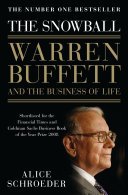
The Snowball: Warren Buffett and the Business of Life is Alice Schroeder’s detailed biography of Warren Buffett. It follows his childhood, early money-making experiments, investment partnerships, purchase of Berkshire Hathaway, and the personal choices that shaped his life. The book is useful to investors because it shows that Buffett’s results did not come from one magic stock tip. They grew from many small advantages joined together over a very long time. [1][2][3]
In simple words: a small snowball can become huge if it has good snow, a long hill, and enough time to roll.
Book facts
| Author | Alice Schroeder |
|---|---|
| First published | 2008 |
| Subject | Warren Buffett’s life, investing, business decisions, and personal philosophy |
| Edition details | Google Books lists an A&C Black edition from 2009 with 832 pages. Other editions vary in length. [1] |
What the book is about
Schroeder wrote the book with Buffett’s cooperation and unusually broad access to his memories, files, family, friends, and business associates. That makes it a biography, not a step-by-step investing manual. Still, the life story contains many lessons about money.
The central picture is compounding. Compounding means that gains can produce more gains. If a small plant grows a little each year, and each new branch grows too, the plant can become much bigger than it looked at the start. In finance, time lets returns build on earlier returns.
The biography also shows that compounding is not only about money. Knowledge, trust, good judgment, and reputation can grow in the same way. A person who keeps learning and making sensible decisions may get better opportunities later because earlier work created trust.
Main ideas
1. Time is a powerful advantage
Buffett began saving and investing young. Starting early gave his money more years to grow. This does not mean late starters are doomed; it means consistency matters, and beginning today is usually better than waiting for a perfect moment.
2. Temperament matters more than excitement
Temperament means your usual way of reacting. Investing can be noisy: prices jump, headlines scare people, and crowds chase popular ideas. The book portrays Buffett as someone who could wait, think independently, and avoid acting just because other people were acting.
3. Learn before you risk money
Buffett’s path included study, accounting knowledge, and careful attention to how businesses work. An investor does not need to know everything, but should understand what they are buying and why it might earn money.
4. Reputation is financial capital
Reputation is what other people expect from you based on what you have done before. A trusted person may receive better partners, deals, and opportunities. The book makes clear that wealth is not just a number in an account; how you behave can affect the opportunities that reach you.
5. Capital allocation is a daily skill
Capital allocation means deciding where money should go. A company can spend cash on a new factory, buy another company, pay a dividend, or keep the cash. Buffett’s business life is largely a long series of these choices.
Steps to apply the book’s lessons
- Give your plan a long hill. Decide which goals you can leave untouched for years, not days.
- Build a circle of competence. This means learning a small area well enough to know what you understand and what you do not.
- Write down your reason. Before buying an investment, state what it does, how it makes money, and what could prove you wrong.
- Protect your reputation. Keep promises, be honest in deals, and remember that trust can create future financial options.
- Let good decisions repeat. Saving regularly, avoiding unnecessary fees, and reinvesting sensible gains are boring actions that can become powerful over time.
What it gets right
- It connects investing skill with patience and emotional control.
- It makes business ownership easier to understand through real decisions and stories.
- It shows that wealth-building is a process, not a single lucky event.
- It treats learning, relationships, and character as important parts of financial success.
What to be careful about
A biography can explain how one extraordinary person succeeded, but it cannot prove that copying every choice will work for everyone. Buffett had unusual ability, access, luck, and a very long career. Many investments described in the book were made in a different market and tax environment from today.
Readers should also separate a life story from personal financial advice. A diversified, low-cost plan may be more suitable for many people than trying to copy Berkshire Hathaway or pick individual companies. The useful lesson is not “be Buffett.” It is “understand your risks, keep learning, and make decisions you can live with.”
Bottom line
The Snowball is a rich biography with a clear money lesson: large results often come from small, sensible advantages that compound. Time, patience, knowledge, good judgment, and trust can work together. For ordinary investors, the most practical takeaway is simple—start with what you understand, avoid avoidable mistakes, and give good habits enough time to grow.